A modern AI image prompt commands generative neural networks (such as OpenAI’s native ChatGPT, Google Gemini’s Nano Banana vision suite, Grok on X, and open-weights FLUX) using clear physical scene direction rather than outdated keyword lists. With older tools like ChatGPT and legacy Stable Diffusion now phased out in favor of multimodal conversational models, generating photorealistic images for free inside everyday chatbots comes down to three factors: specifying camera optics, quoting exact text in double quotes, and eliminating the waxy AI plastic look with natural skin imperfections.
Hyper-Realistic Prompt Builder for Modern AI Models
Format high-converting prompts calibrated for the latest 2026 AI engines: ChatGPT ChatGPT, Google Gemini Nano Banana, xAI Grok Aurora, and FLUX 3.

Caricature Maker: Toon Me Art
Turn portraits into artistic cartoon and body art stencils with 1 tap on iPhone.

Why “Keyword Salad” Is Officially Dead
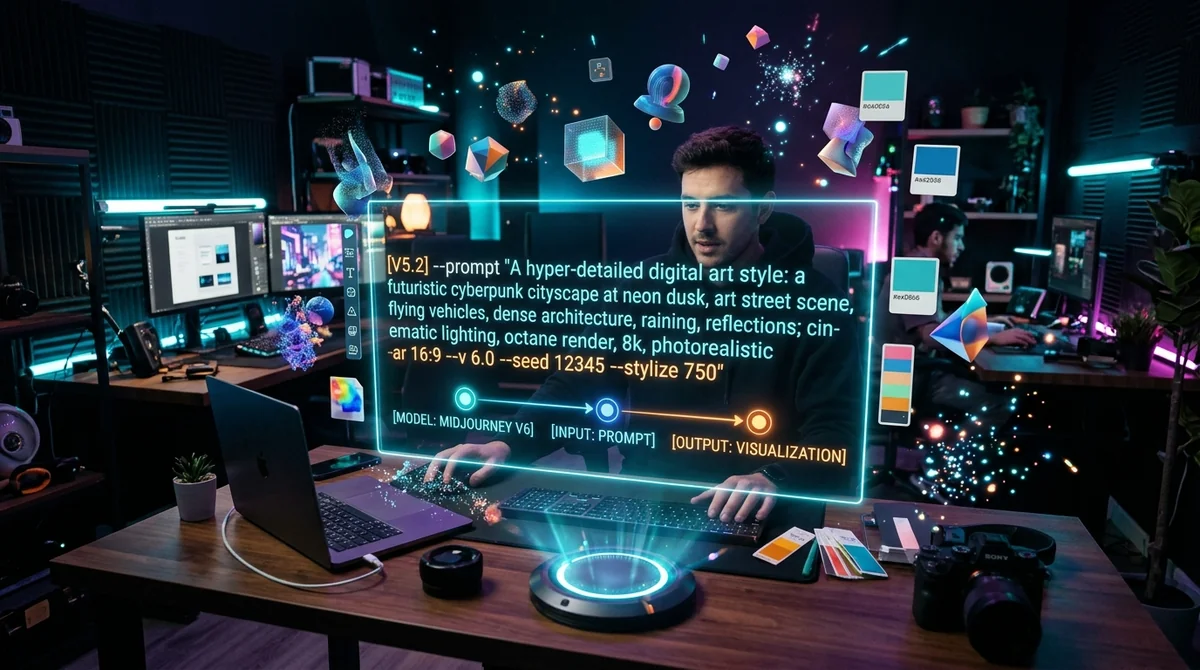
If your prompts still include phrases like “hyperrealistic, 8k, octane render, trending on artstation, masterpiece”, you are hurting your image output. Those buzzword lists were designed for primitive 2022 diffusion models that required tag weights to produce anything recognizable.
Modern architectures in 2026 use large language model text backbones (such as Google T5 and OpenAI’s native transformer encoders). They understand narrative English, prepositions, and camera physics. When you stuff random adjectives into a prompt, you dilute the model’s attention span and introduce conflicting aesthetic noise.
Professional promptcrafters across Reddit and Civitai now use the Director’s Formula:
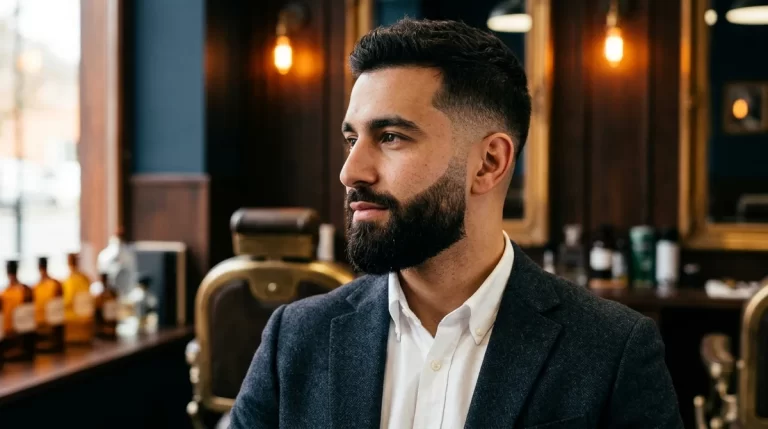
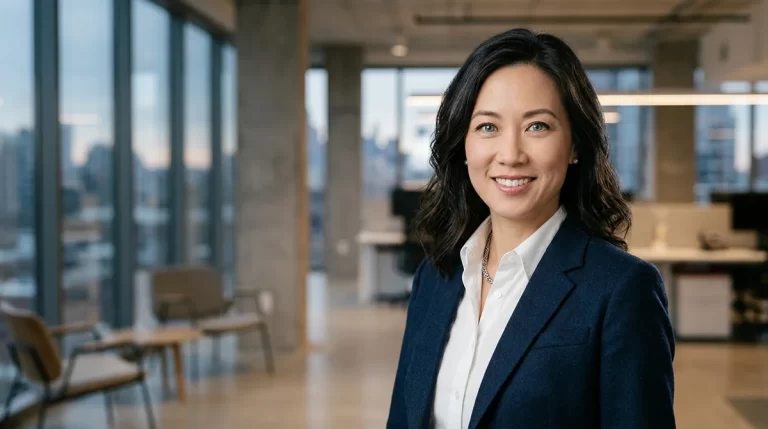
- Subject & Pose: Define the main focus, clothing, and posture first (e.g., “a 28-year-old woman laughing naturally while browsing an outdoor fruit stall”).
- Spatial Composition: Describe foreground, midground, and background relationships to give the scene genuine three-dimensional depth.
- Ambient Lighting: Specify exact light sources and color temperatures (e.g., “warm golden hour rim light catching hair strands, diffused softbox daylight, blue twilight shadows”).
- Camera Optics & Film Stock: Ground the shot in real hardware cues (e.g., “shot on an 85mm f/1.8 prime lens, subtle 35mm film grain, shallow depth of field”). This single constraint stops the model from defaulting to the smooth, waxy silicone look.
The 2026 Chatbot Image Generation Landscape Explained
Image generation technology moves at lightning speed. The models powering your everyday chat apps in 2026 are fundamentally different from the tools of two years ago:
- OpenAI (ChatGPT & 2.5): ChatGPT has been deprecated from the API, replaced by ChatGPT as OpenAI’s native visual pipeline. It offers precise instruction following, character-level text spelling, and multi-turn conversational edits (allowing you to tweak specific clothing colors or backgrounds without starting over).
- Google Gemini (Powered by Nano Banana): Nano Banana serves as Google’s core AI image generation and editing suite, built directly into Gemini. It excels at real-world lighting physics, natural textures, and localized conversational in-painting.
- Grok on X (Powered by Aurora & FLUX): Known for raw realism, candid snapshot styles, and minimal safety censorship. Grok’s vision engine handles vintage film flash photography and street candids better than almost any commercial competitor.
- FLUX 3 Family (Open-Weights by Black Forest Labs): The open-source powerhouse. Distilled Schnell models run on personal laptops in just 4 steps, while Dev models deliver unmatched anatomical detail for local GPU creators.
Chatbot Image Models Compared: Fidelity, Text & Cost
Here is how the top free and accessible image engines stack up for creators in 2026:
| Model / Ecosystem | Best For | Text Rendering | Access / Pricing |
|---|---|---|---|
| ChatGPT | Signage, Covers & Layouts | Industry Best (100% exact) | Free tier / $20 Plus |
| Gemini (Nano Banana) | Natural Lighting & Scenery | High accuracy | 100% Free in Gemini |
| Grok (xAI / Aurora) | Candid 35mm & Memes | High accuracy | Free / X Premium |
| FLUX 3 (Dev/Schnell) | Local GPU Privacy | High accuracy | Free & Open Source |
| KromaSet AI | E-Commerce Product Staging | Lossless Studio | iOS App • Free try-on |
Why Free Chatbots Rule for Art (And Where Dedicated Apps Win)
Most internet users do not need to spend money on AI image software. For wallpapers, social media concepts, comic panels, or fan art, typing our tested prompts into ChatGPT, Gemini, or Grok delivers spectacular results completely free of charge.
However, general chatbots have one major flaw: they hallucinate physical merchandise. If an e-commerce brand owner uploads a smartphone photo of their skincare bottle or leather handbag and asks a chatbot to put it on a luxury marble table, the chatbot often alters the bottle shape, distorts the label, or redraws a fictitious logo.
That is where dedicated staging applications become essential:
Explore More Creative AI & Photo Guides
Discover more tutorials and interactive generators across Quizrrito:
- Model Benchmark Guide: Compare full benchmarks in our FLUX vs Midjourney vs ChatGPT vs Gemini Guide.
- Die-Cut Sticker Maker: Generate print-ready vector graphics using our AI Sticker Design Guide.
- Anime Art Converter: Transform personal vacation photos into anime stills with the Image to Ghibli Style Converter.
- AI Caricature Studio: Create 3D vinyl bobbleheads and comic art with the Best AI Caricature Generators Guide.
- Quizrrito iOS Hub: Browse our complete suite of creative apps on the Quizrrito iOS Apps Hub.
Frequently Asked Questions About AI Image Prompts
What replaced ChatGPT in OpenAI’s ChatGPT?
ChatGPT was phased out from the OpenAI API and replaced by native multimodal models, led by ChatGPT (and rolling iterations like ChatGPT.5). These native models understand complex instructions, support conversational edits, and render accurate written text inside images.
What is Google’s Nano Banana suite in Gemini?
Nano Banana is Google’s core AI image generation and editing suite integrated natively into the Gemini ecosystem. It delivers high-fidelity photorealism, localized in-painting, and real-world lighting accuracy without subscription fees.
How do I make AI photos look like real photos instead of plastic?
Avoid buzzwords like “hyperrealistic”. Instead, prompt for specific camera optics (like an 85mm portrait prime lens), natural directional lighting, and physical skin textures (such as fine pores, subtle freckles, and stray baby hairs).